
Choosing the right memory care facility is one of the most important decisions a family can make when a loved one begins experiencing cognitive decline. While larger, institutional settings may seem like a convenient option, they often fall short in providing the personalized care that dementia patients truly need. In a small boutique memory care facility like ours, the difference is clear.
Dementia, by its very nature, is a highly individualized condition. Each resident has unique needs, preferences, and challenges that require a tailored approach. In larger facilities, with caregiver ratios of one to twelve or even fifteen residents, it becomes difficult—if not impossible—to provide the level of personalized attention necessary for optimal care. Staffing in these facilities often relies on temporary workers through staffing agencies, which means that caregivers may not have the opportunity to form meaningful relationships with the residents. This lack of continuity can lead to confusion and anxiety for individuals with dementia, who thrive on familiarity and routine.
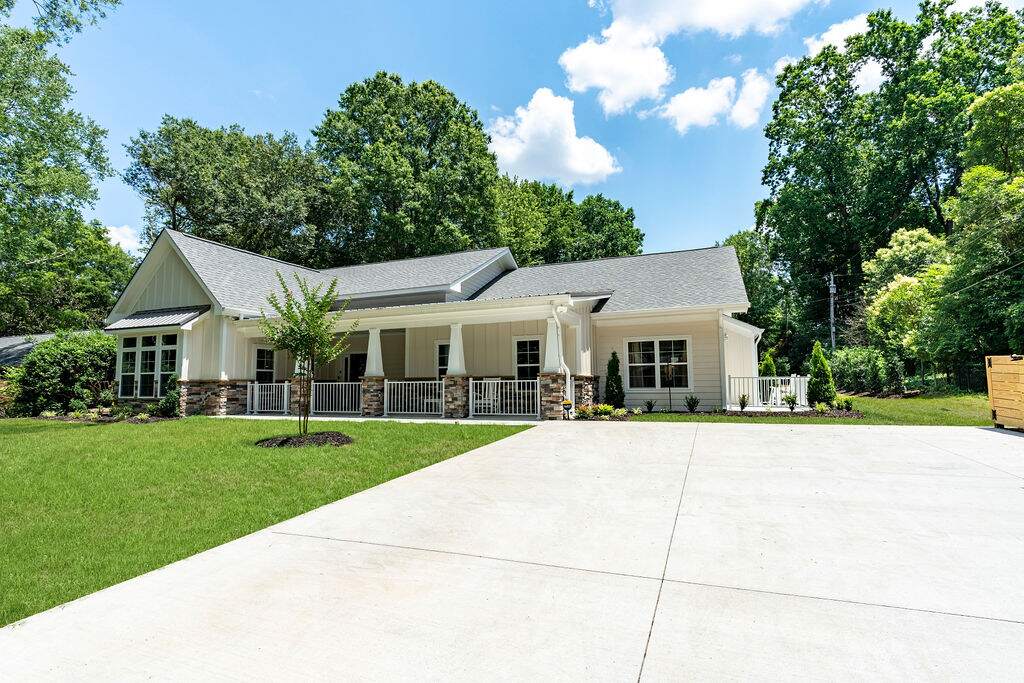
In contrast, our boutique facility, with a maximum of six residents per location, offers a far more intimate and personalized environment. With 2 caregivers assigned to just six residents, our team can provide consistent, one-on-one care that helps residents feel understood and supported. Our caregivers are not only generally full-time employees, but also highly trained professionals who specialize in dementia care. They undergo continuous education in the latest techniques and best practices, ensuring that each resident’s care plan evolves as their needs change.
In addition to personalized care, we offer a completely customized activity calendar that is designed to engage each resident based on their interests, cognitive abilities, and personal history. Our Activity Director works closely with each resident to create meaningful activities that foster a sense of purpose and connection. Whether it’s a tailored art class, a memory-stimulating game, or an outing that resonates with a resident’s past, the activities are carefully crafted to enhance engagement and well-being.
The smaller setting not only allows for more individualized care, but also fosters a warm, family-like atmosphere. This is essential for dementia residents, who can often feel isolated or confused in larger, more institutional environments. In our boutique facility, residents benefit from the security and comfort of knowing their caregivers, engaging with familiar faces, and receiving care that’s specifically designed to meet their needs—day in and day out.
Ultimately, the decision to move a loved one into a memory care facility should be based on more than just location or cost—it’s about the quality of care and the experience that each resident will have. At our boutique facility, we believe that the personalized, compassionate care we provide leads to better outcomes, both for the residents we serve and for the families who trust us with their loved ones’ care.

What Should a Memory Care Assessment Really Evaluate?
A memory care assessment should reveal more than physical ability. Learn what families and communities should evaluate before a dementia-care move.

You Can’t Advocate for Someone When You Don’t Know What’s Going On: Communication in Memory Care
Communication in memory care helps families advocate for loved ones with dementia. Learn what families should know, ask, and reasonably expect.
The First 72 Hours: What Really Happens After a Loved One Moves Into Memory Care
The first 72 hours in memory care can worry families. Learn what really happens after move-in and how familiarity, activity and routine help.

The Caregiver Equation: Enough People + the Right People + the Same People
Caregiver staffing in memory care is about more than ratios. Learn why enough caregivers, skilled caregivers and consistent caregivers all matter.

Socialization in Memory Care: Why More People Doesn’t Always Mean More Connection
Socialization in memory care isn’t about how many people are in the room. Learn what meaningful connection really looks like for people with dementia.
Why People with Dementia Wander (and Why It Isn’t the Same as Exit Seeking)
Learn why people with dementia wander, how wandering differs from exit seeking, and practical ways families can respond with empathy while keeping loved ones safe.